










Product Description
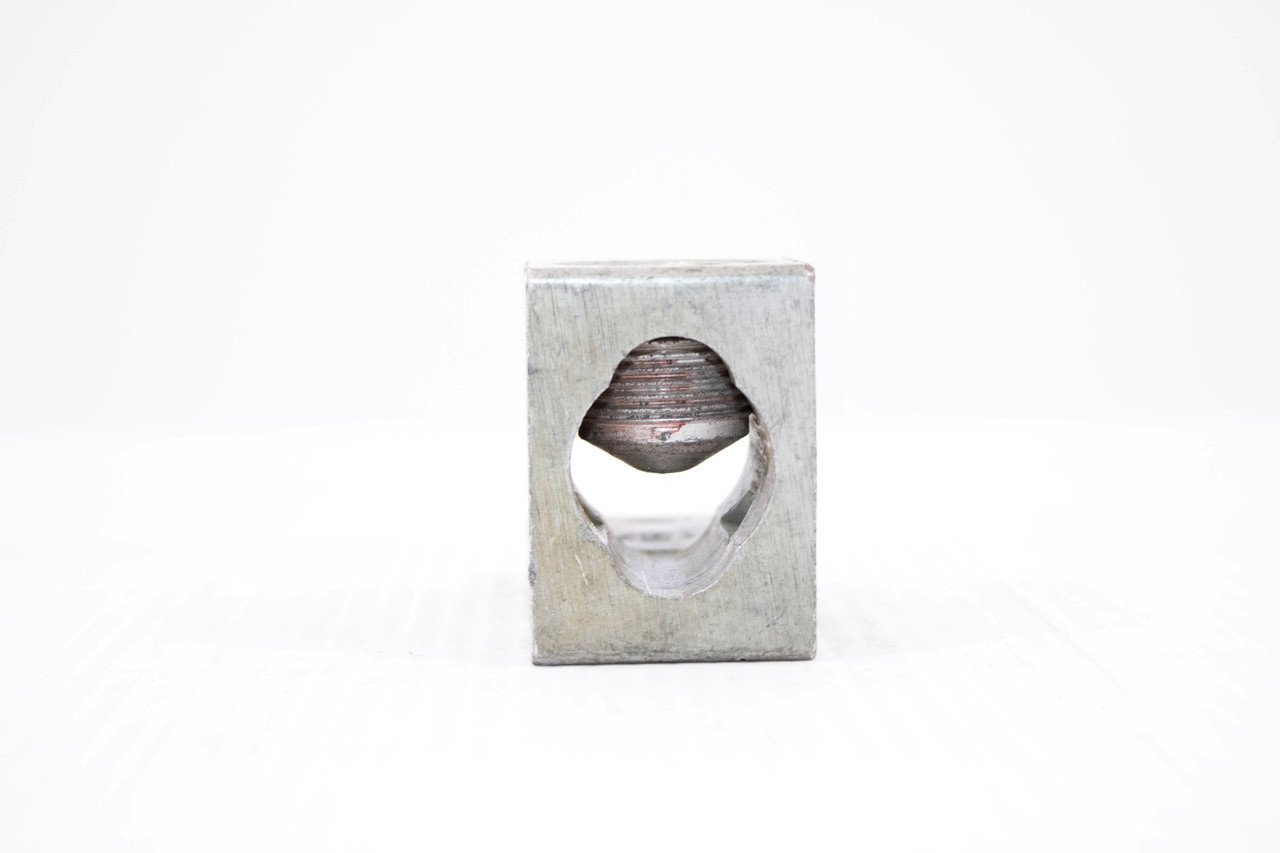
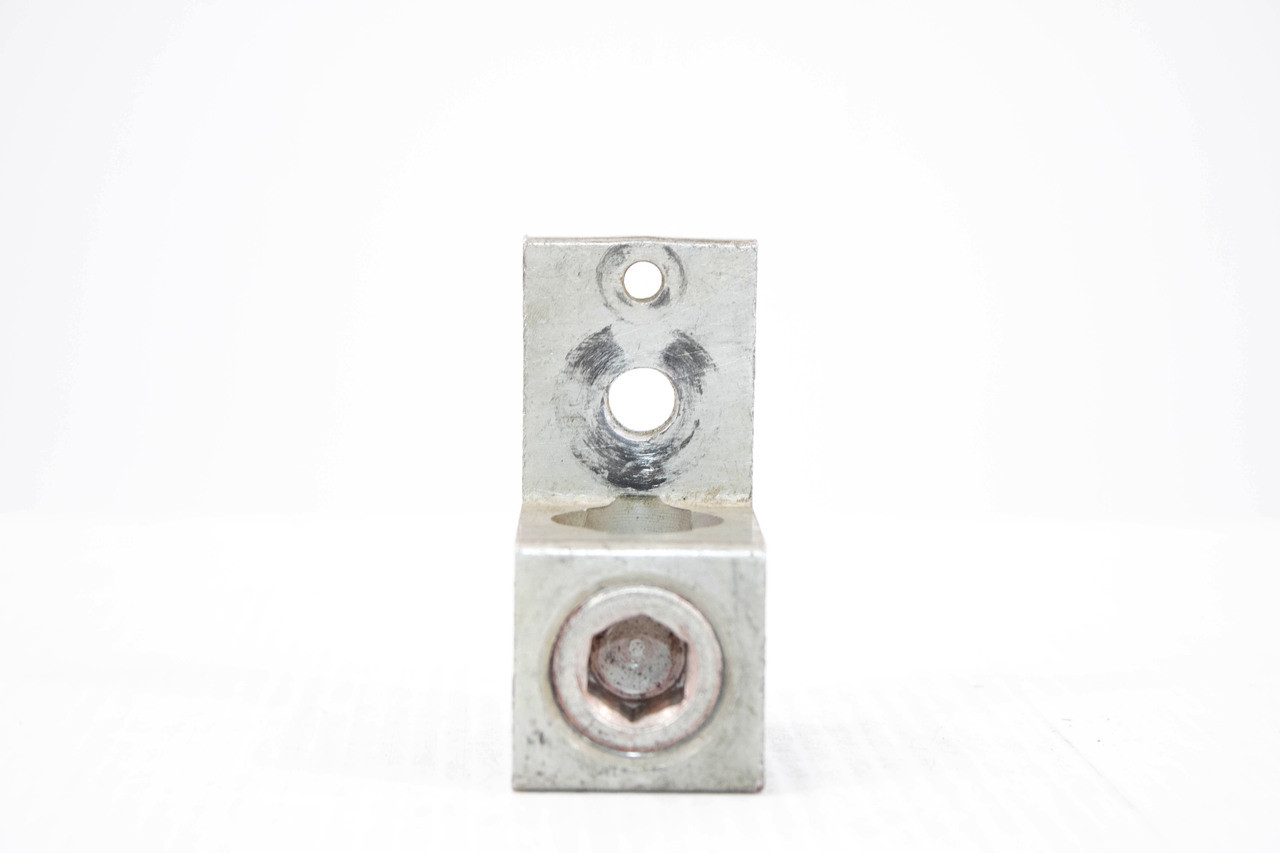
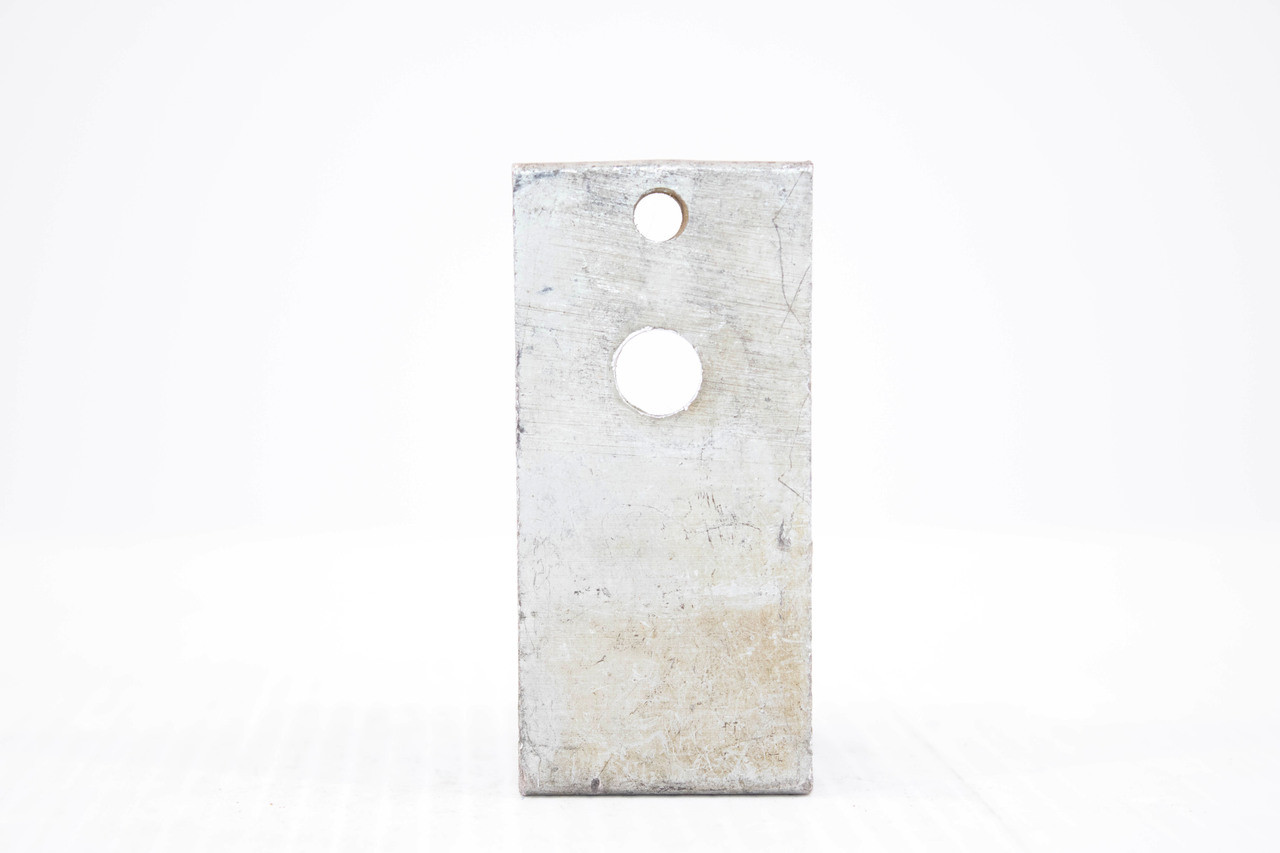
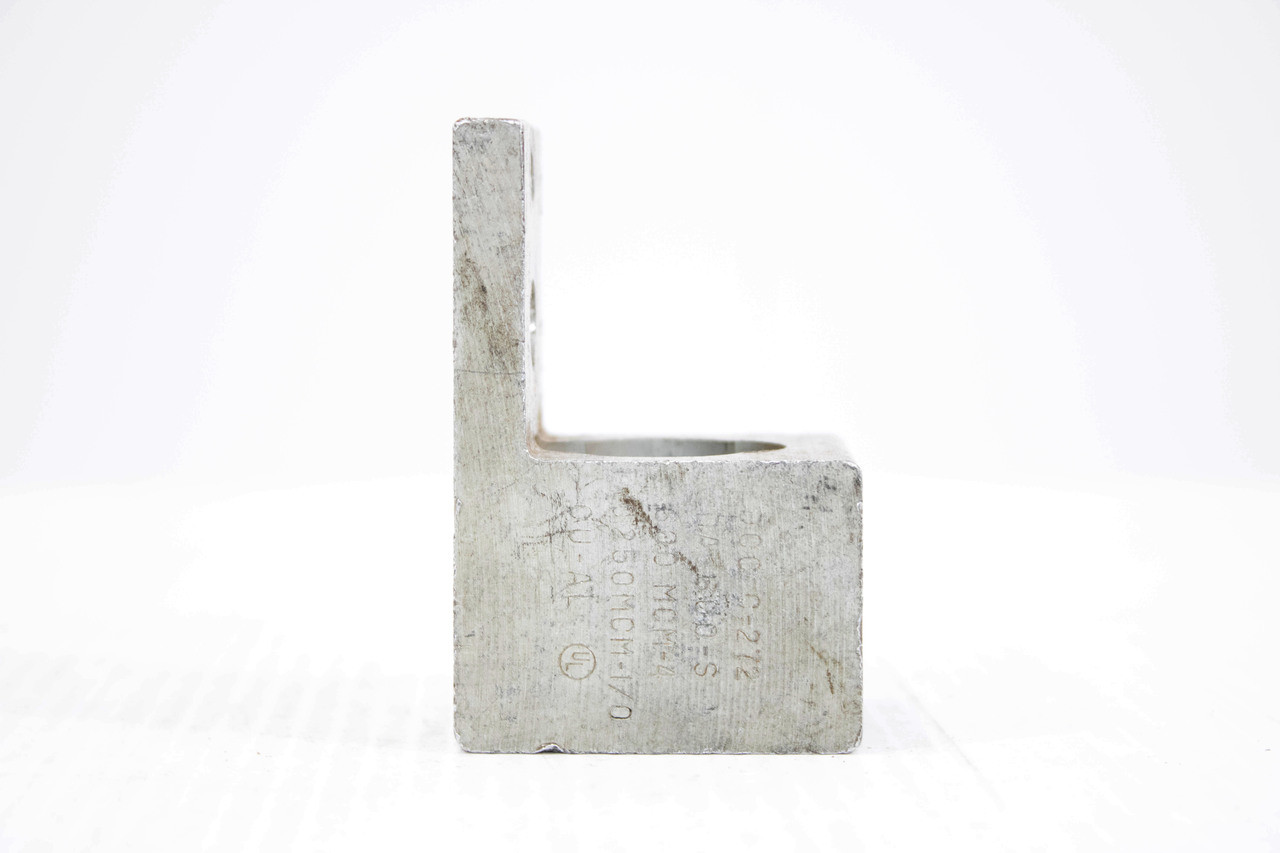
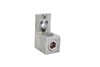
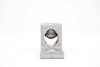
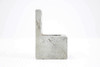
The Square D DCC C-272 (Model DA-600-S) is an industrial-grade, single-barrel mechanical terminal lug designed for high-integrity power connections. Unlike standard single-hole lugs, this model features a 2-hole mounting configuration, providing maximum stability, increased surface contact, and superior current-carrying capacity. It is a critical component for terminating main feeders in Square D panelboards, safety switches, and industrial switchgear.
Precision-machined from high-strength 6061-T6 aluminum alloy, the DA-600-S is electro-tin plated to prevent oxidation and ensure a low-resistance connection. As a dual-rated (AL9CU) connector, it is engineered to safely terminate both copper and aluminum conductors in 600V power systems and high-voltage applications.
Technical Specifications
-
Manufacturer: Square D (Schneider Electric)
-
Model: DA-600-S (DCC C-272)
-
Number of Ports: 1 (Single Barrel)
-
Conductor Range: 4 AWG up to 600 kcmil (MCM)
-
Material: 6061-T6 High-Strength Aluminum Alloy
-
Finish: Electro-Tin Plated (Corrosion Resistant)
-
Rating: Dual-Rated AL9CU (Compatible with Al/Cu)
-
Voltage Rating: 600V (Standard) / Up to 35kV (High-Voltage)
-
Temperature Rating: 90°C (194°F)
-
Mounting Configuration: 2-Hole NEMA Tang (Increases stability/contact)
Key Features & Benefits
-
Enhanced Stability: The 2-hole mounting design prevents the lug from rotating during high-torque cable installation and ensures a permanent, vibration-resistant bond to the busbar.
-
OEM Reliability: Specifically designed to fit the spacing and footprint of Square D / Schneider Electric equipment, ensuring compliance with UL and NEC codes.
-
Superior Current Transfer: The dual-hole tang provides more surface area contact than single-hole alternatives, reducing heat buildup in high-amperage 600 MCM circuits.
-
Mechanical Efficiency: Features a rugged internal hex set-screw for high-pressure termination—no expensive hydraulic crimping tools or specialized dies required.
-
Corrosion Protection: Premium tin plating allows for safe copper-to-aluminum transitions without the risk of galvanic corrosion.
